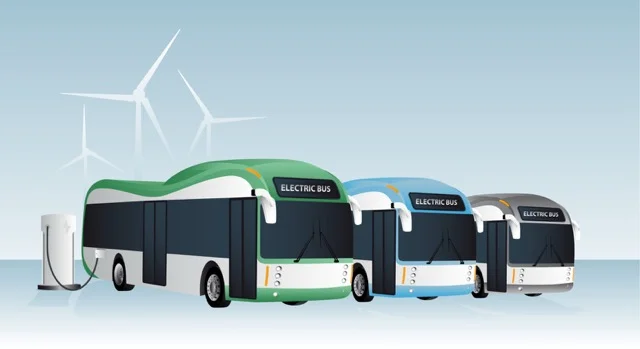

Buses solely powered by electricity stored in onboard batteries.

Electricity from the batteries powers an electric motor, which drives the wheels.

Battery packs, electric motor, inverter, battery management system (BMS)

Zero tailpipe emissions, quiet operation, reduced maintenance needs

Range limitations, charging time, battery lifespan, upfront costs
Buses that use a fuel cell to convert hydrogen into electricity to power the motor
Hydrogen stored onboard reacts with oxygen in the fuel cell to produce electricity
Fuel cell stack, hydrogen storage tanks, electric motor, battery (often used as an auxiliary power source)
Longer range than BEBs, fast refueling times, zero tailpipe emissions
Hydrogen infrastructure needs, higher upfront costs, hydrogen production and storage
Buses that combine an electric motor with a conventional internal combustion engine (ICE)

Series Hybrids: The ICE generates electricity to charge the batteries, which then power the electric motor. The ICE does not directly drive the wheels.
Parallel Hybrids: Both the electric motor and the ICE can power the wheels, either independently or together.
Plug-in Hybrids: Similar to parallel hybrids, but they can also be plugged in to charge the batteries from an external power source.
Improved fuel efficiency compared to conventional buses, reduced emissions (especially plug-in hybrids)
More complex powertrain, higher maintenance needs than BEBs, still rely on fossil fuels to some extent
Electric buses that draw power from overhead wires using trolley poles
Electricity flows from the overhead wires to the bus's electric motor
No onboard energy storage needed, potentially very long lifespan, proven technology
Infrastructure requirements (overhead wires), limited route flexibility
Approximately 40 feet (12 meters)

Typically 30-40 seated passengers, with additional standing room; total capacity varies depending on configuration
Wheelchair accessibility, air conditioning, automated stop announcements

Urban Routes: Serving frequent stops within a city. Suburban Routes: Connecting suburbs to urban centers or other suburban areas. School Buses: Transporting students to and from school
Approximately 60 feet (18 meters)
Typically 50-60 seated passengers, with significantly more standing room; total capacity can exceed 100 passengers
Multiple doors for faster boarding and alighting, flexible "accordion" joint for maneuverability, often used in Bus Rapid Transit (BRT) systems
High-demand routes: Corridors with heavy passenger traffic, such as busy urban routes or commuter express lines. Bus Rapid Transit (BRT) systems: Dedicated bus lanes or corridors where articulated buses provide high-capacity, rapid transit service
Typically 25-35 feet (7-10 meters)
20-30 passengers
More compact and maneuverable than standard buses, often have a lower floor for easier boarding
Feeder Routes: Connecting residential areas or smaller communities to main transit lines. Community Shuttles: Providing transportation within a specific area, such as a university campus, business park, or retirement community. Paratransit Services: Offering accessible transportation for people with disabilities
Typically 16-25 feet (5-7 meters)
10-20 passengers
Compact and easy to maneuver in tight spaces, often used for smaller groups or specialized services
Airport Shuttles: Transporting passengers between airport terminals or to parking lots. Hotel Shuttles: Providing transportation for hotel guests to nearby attractions or transportation hubs. Specialized Transportation Services: Serving niche markets like tours, corporate events or senior transportation
Small buses or vans for short-distance routes, often connecting key transit hubs or commercial areas.
Customized transportation services for people with disabilities or mobility challenges.
Dedicated corridors using high-capacity buses for rapid, efficient transit along major urban routes.